
Bird Dogs & Training
|
09/16/2026
Sporting Dog Shorts - Don't Let Rattlesnakes Derail Your Hunt
A little knowledge about where rattlesnakes live, when they're active and how dogs respond to them can help keep an unpleasant encounter from ruining an otherwise great day in the field.
by Dr. Seth Bynum
Related Articles


If you hunt the West long enough, sooner or later you'll probably cross paths with a rattlesnake.
For those of us who live out West, the sound of a rattle is part of the soundtrack of the open country. For visiting hunters, though, that first unmistakable buzz can be enough to turn a peaceful walk through sagebrush into a sudden scramble backward. I've done it several times, most ungracefully, I'll admit.
The good news is that most encounters don't have to end with a bite. Understanding what rattlesnakes need from their environment can help you recognize when and where you're most likely to encounter them—and make some simple decisions that reduce the odds of a close call.
As a veterinarian and a hunter, I'd much rather avoid a snakebite than treat one in your hunting dog. That starts with understanding the snake's world.
Follow the Heat
Rattlesnakes are reptiles, which means their metabolic activity is closely tied to temperature. They depend on the environment to regulate their body temperature, and that makes weather one of the biggest factors determining when you'll see them.
On cool mornings, a snake may be relatively inactive, denned up, or lethargic. As the day warms, however, it can become increasingly active. Warm afternoons and sunny slopes can be especially attractive, particularly when temperatures climb into the 60s.
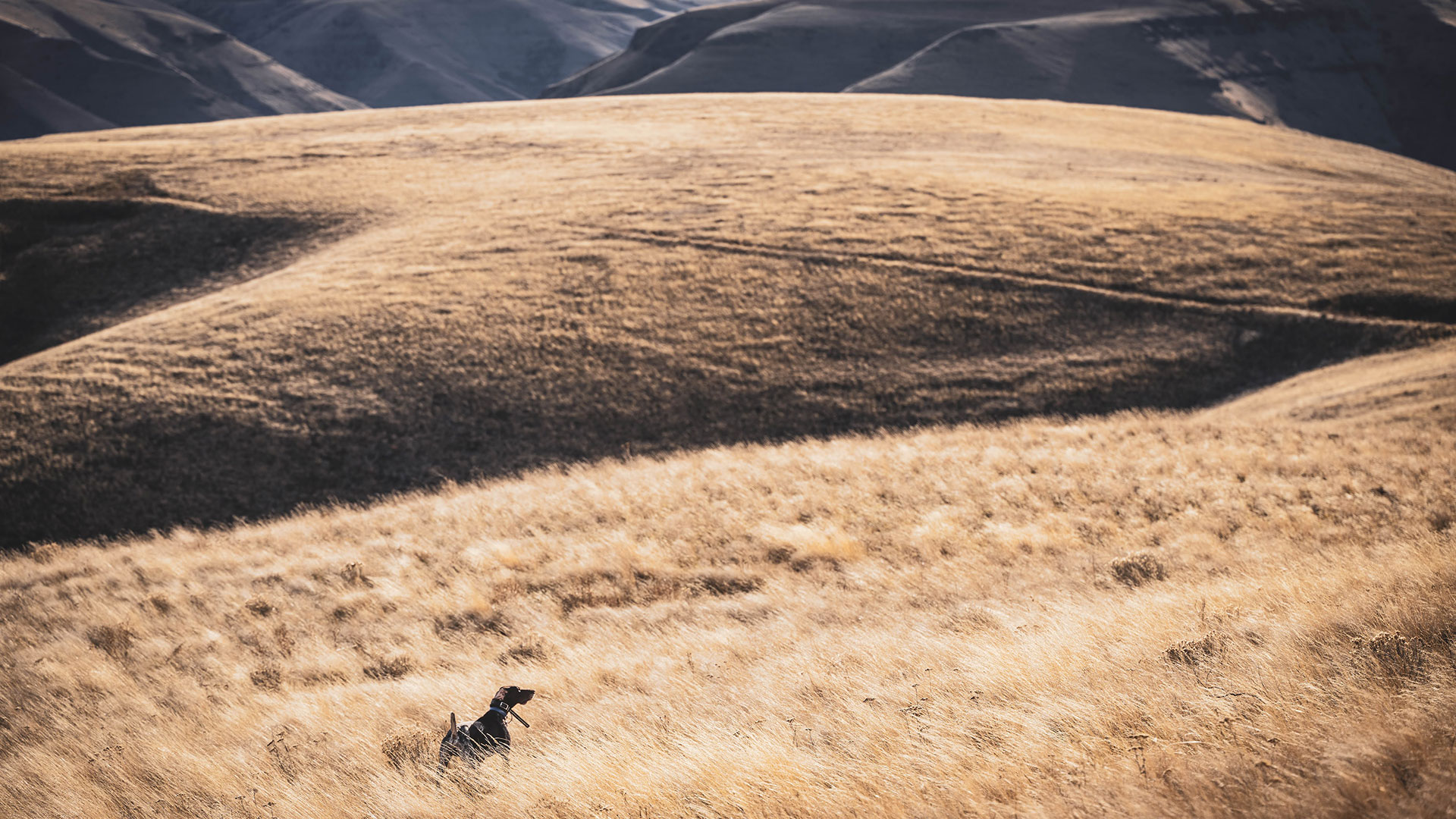
South-facing slopes and other areas that warm quickly can be particularly popular when temperatures are still relatively mild. A snake emerging from a den or sheltered location may use these sunny areas to warm itself before becoming more active. I've seen them in Montana as late as Halloween when drawn out by the warmth of a sheltered, sunny rock pile.
For hunters, this reptilian preference creates a useful rule of thumb: when the weather is warm, pay more attention to where the sun is hitting the ground and when you're moving through that country.
Think Like a Snake
Temperature is only part of the equation. Food is another. Rattlesnakes are predators, and they tend to spend time where their prey is available. In much of the West, that means keying in on rodents.
Creek bottoms, blackberry patches, rocky areas and prairie dog towns can all provide the combination of cover, prey and favorable temperatures that makes likely snake habitat.
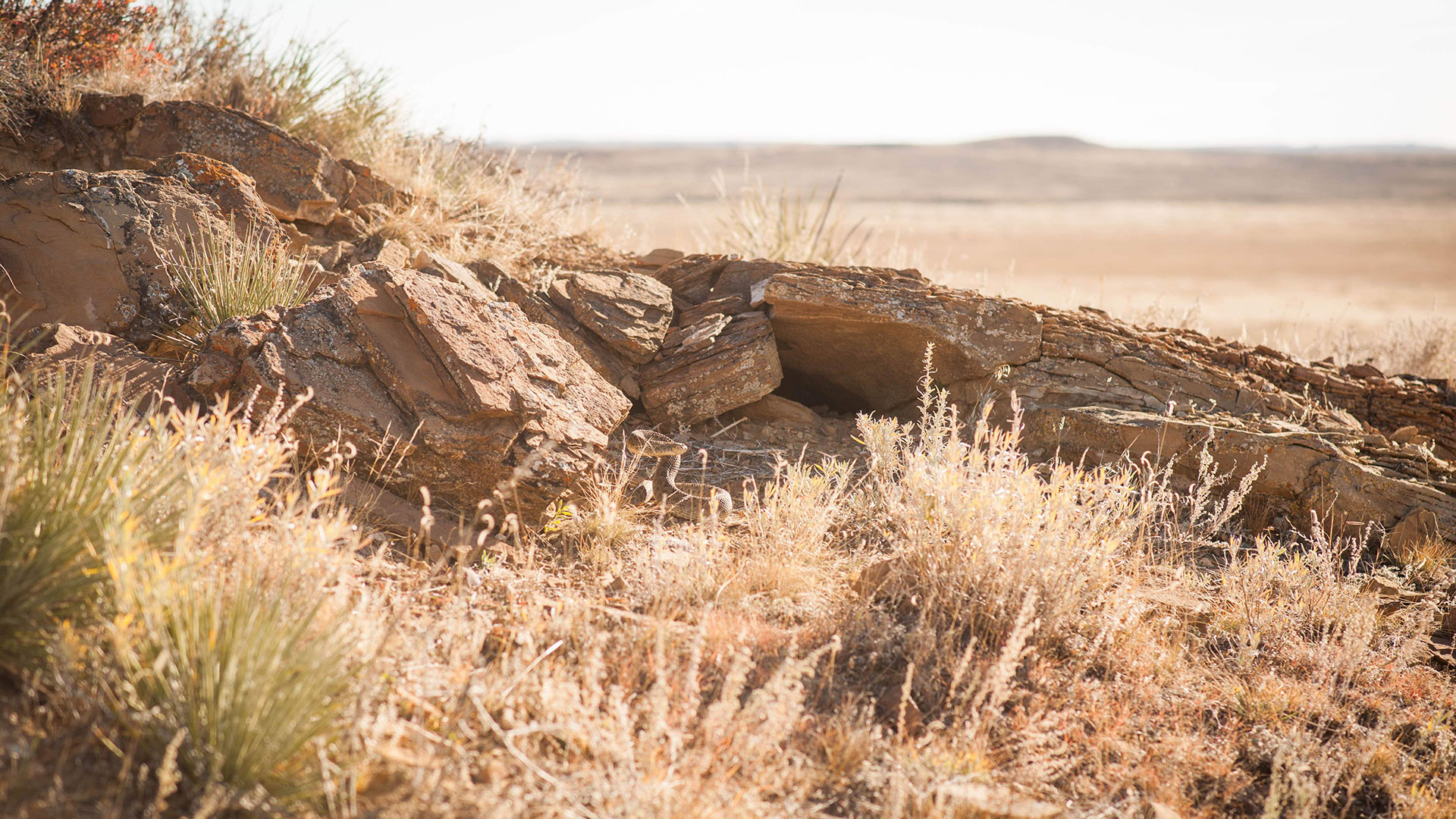
None of this means you should automatically avoid every creek bottom or prairie dog town. Those places can be excellent hunting habitat for a variety of upland species, but they're worth treating with a little extra awareness when temperatures are right for snake activity, particularly early in the season.
If I'm hunting snake country early in the season, I prefer to stack the odds in my favor. That means taking advantage of cooler morning temperatures and being more cautious around areas where snakes are likely to concentrate.
Helping Dogs Avoid Rattlesnakes
Most of us learn pretty quickly that a rattlesnake is something to respect, and there seems to be a universal understanding in the animal kingdom that the alarm rattle of a buzzworm signals bad news. However, there are certainly some dogs that didn't get the memo.
A dog with a lot of hunting drive can be so focused on a scent, bird or other distraction that a warning rattle doesn't register as a threat. Some dogs with high prey drive (especially some bearded ones, in my experience) seem to consider their warning a mere invitation to tussle.
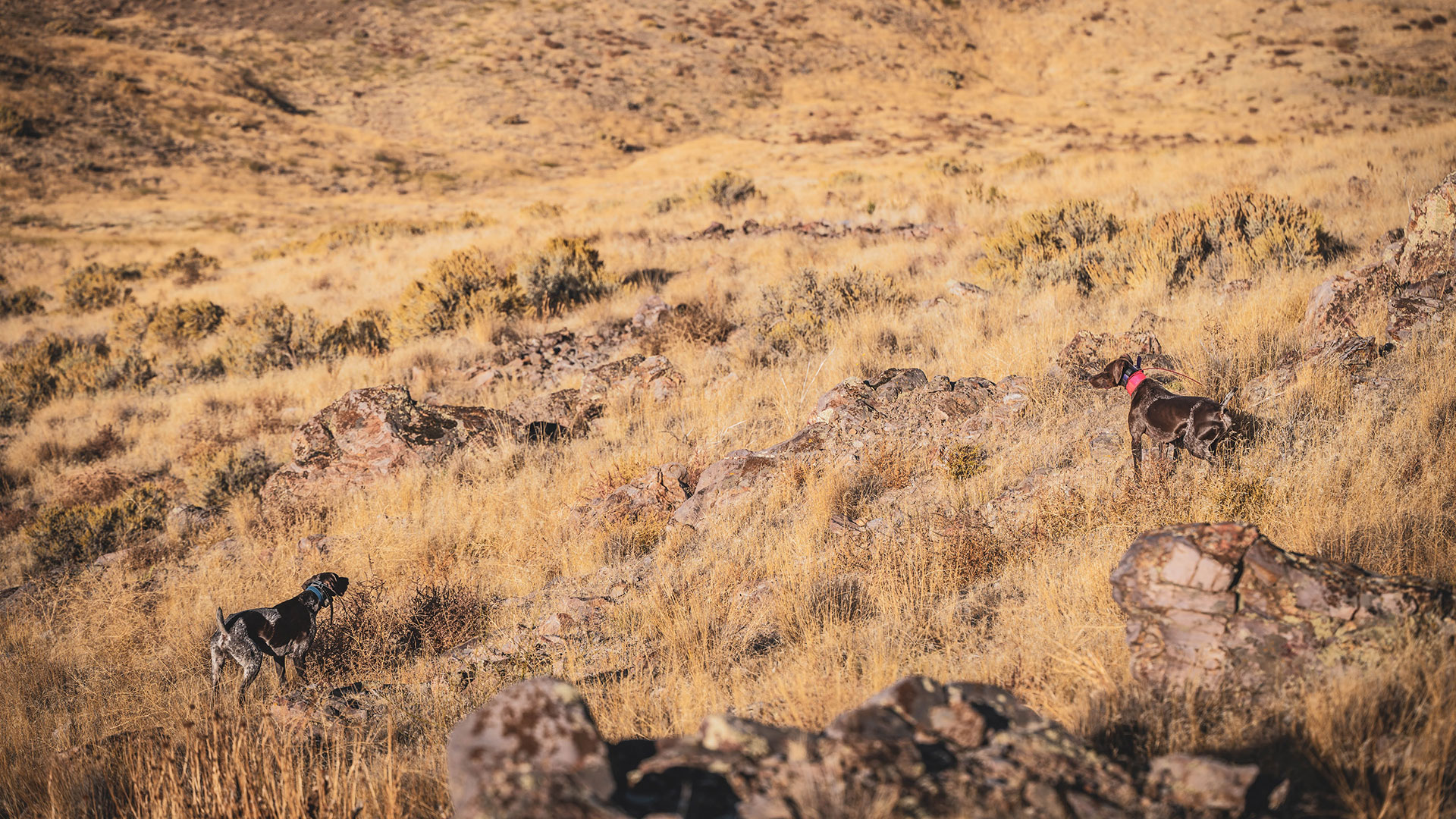
For these dogs, snake avoidance training can be worth considering for dogs that regularly hunt in rattlesnake country. The goal isn't to make a dog invulnerable to snakebite, rather, it's to teach the dog that a snake (and potentially the sound associated with one) is something to avoid. The avoidance training process is simple: Create a safe but memorable negative association with a rattlesnake in a controlled environment. If done properly, an avoidance trained dog will head the other way when scent or sound alert them to the presence of a rattlesnake in the future.
However, no training program can protect a dog from a snake it never recognizes. A dog can encounter a snake unexpectedly or not even be aware of them at all. And in the chaos of a hunt, a dog may simply not respond the way we hope it will. Think of avoidance training as one layer of protection, not a force field.
What About the Rattlesnake Vaccine?
There is also a commercially available rattlesnake vaccine for dogs, but it's far from a perfect solution. Keep in mind that its effectiveness remains a matter of debate, and availability can vary considerably depending on where you live.
When I practiced veterinary medicine in snake country, I saw plenty of snakebite patients. In my experience, we felt the vaccine sometimes bought those dogs additional time to get to the clinic. Other dogs seemed to have milder symptoms than anticipated. The truth is no two snakes, dogs, or bites are alike, and our assessment was based solely on anecdotes, not hard data. I have many colleagues that do not recommend the vaccine due to their own personal experiences in the clinic. Your mileage may vary, but understand it's an option.
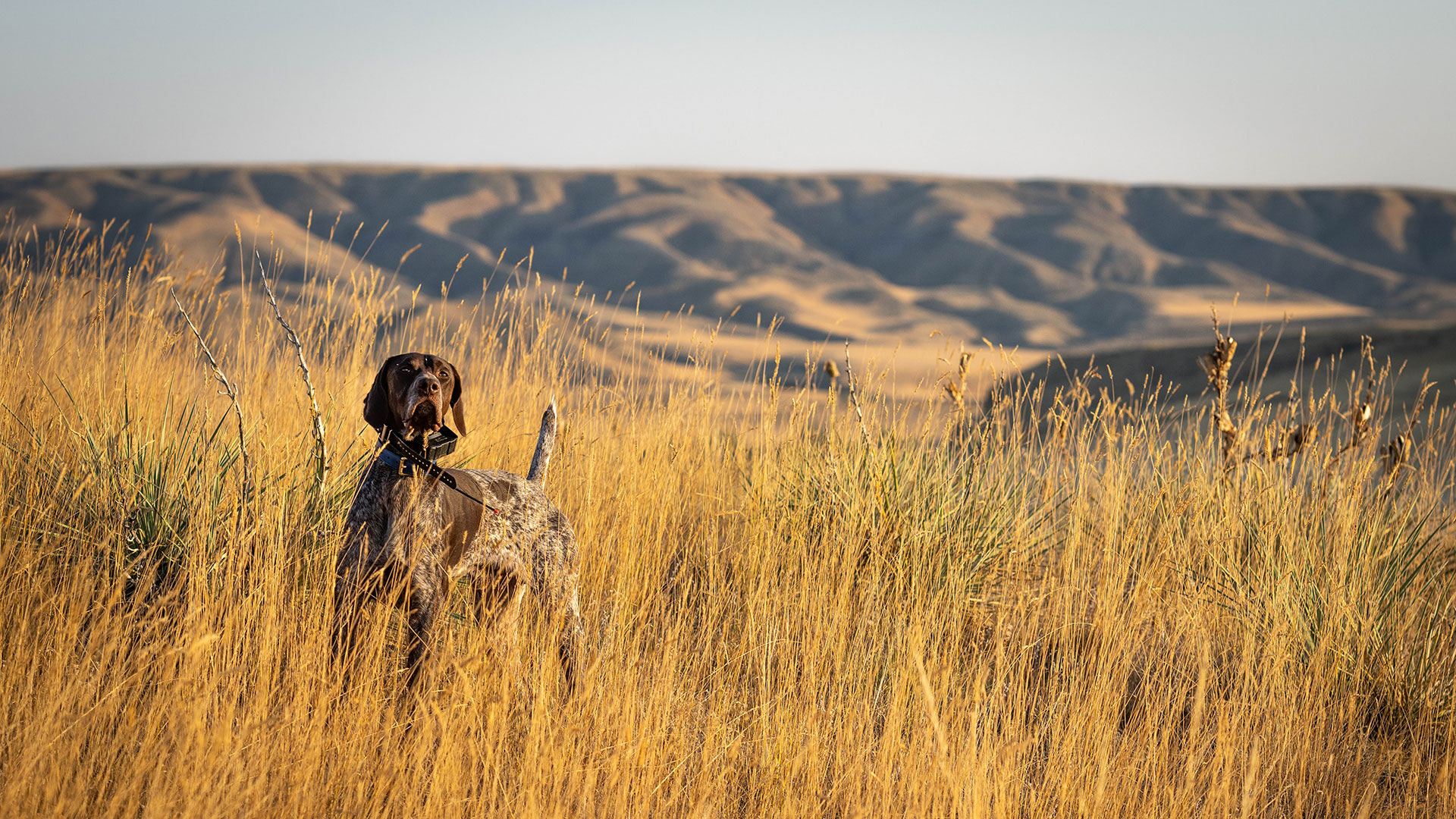
A vaccinated dog can still be bitten, and any suspected rattlesnake bite should be taken seriously. The severity of a bite can depend on numerous factors, including the location of the bite, the amount of venom delivered and the individual animal. Studies show the size of the dog makes a huge difference in the morbidity of the bite.
My Favorite Snakebite Strategy? Avoid Them
I'll admit that I'm not particularly interested in testing my luck with rattlesnakes, and I'm prone to crazy high-step dance moves when something even closely resembling a rattle sounds off in the field. For me, the easiest way to deal with a rattlesnake is not to deal with one at all. To that end, I tend to change where and when I hunt based on the season.
Early in the fall, I have the luxury of spending more time in the high country, where cooler temperatures and different habitat reduce the likelihood of encountering active venomous snakes. My ruffed grouse covers can also be appealing because venomous snakes are relatively uncommon in many of those areas.
A good frost is one of my favorite developments of the fall—not just because it feels like hunting season is finally settling in, but because it signals that rattlesnake activity is winding down.
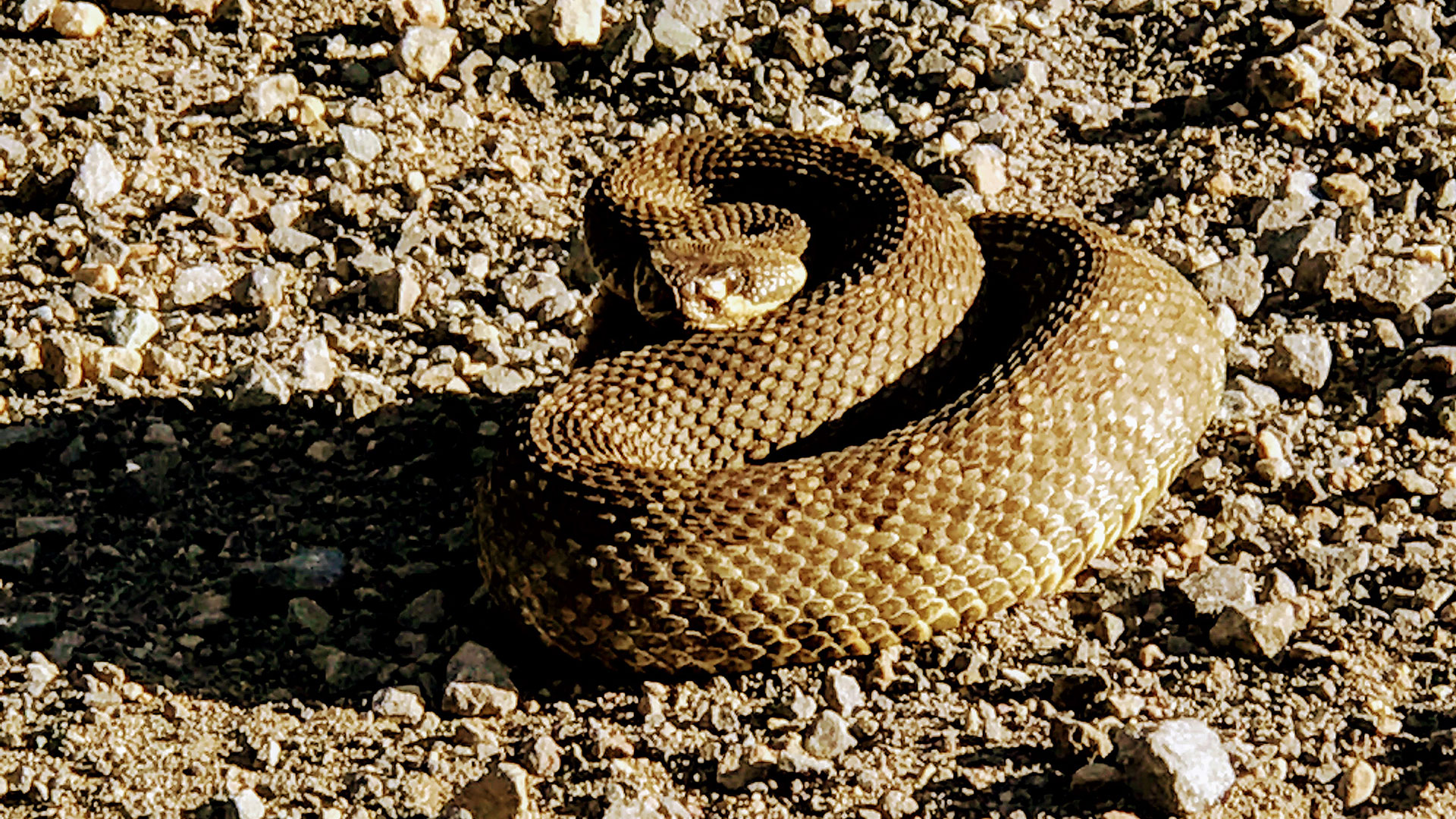
Eventually, the snakes head for their dens for the winter. Once they're reliably tucked away, I'm much more comfortable roaming the lower-elevation country that I might have avoided earlier in the season.
That's not always possible, of course. Sometimes the best hunting is in snake country. And sometimes you're traveling somewhere new, have already locked in your PTO, or don't have the luxury of choosing a different destination. In those situations, awareness becomes your best tool, but some training (and perhaps a vaccine) for your dogs helps avoid or lessen the severity of a bite. When it comes to mitigating dangers out West, it's good to have as many tools in your kit as possible.
Your cart is empty