
Habitat & Conservation
|
11/12/2026
Feather, Flesh and Bone
Montana's grasslands, my wingshooting, brevity and other things I'm working on.
by Erik Holterman
Related Articles


The covey emerged from a sparce remanent patch of alfalfa with intermixed grasses.
Their emergence from the vegetation wasn't all at once. It was more reminiscent of a poorly planned firework show that your neighbor would put on for his own enjoyment. Like bottle rockets haphazardly set up in a suburban driveway, grouse begin shooting off at uneven intervals and trajectories. My more experienced hunting buddy Zach knocked one down with his 28 gauge. I rose my Browning and tracked one grouse that flared out from the chaotic flurry of feathers and pulled the trigger. The birds reaction sparked excitement and worry.
The bird was hit, evident by the change in trajectory and sudden loss of altitude but continued to ride the momentum further into the grass. I kept my eye on the spot he disappeared to and took off once the shooting stopped. Tucker, the 8-year-old black lab we were hunting with tagged along. Once we were at the approximate spot, I began to look for evidence of an injured bird when I saw something that caught my eye. Tucker's tail tightened and stuck his nose out into a nearby sage brush, a natural point. Wings began to beat frantically in the sage as I approached. Tucker reached in a grabbed the bird and dropped him to the ground, feathers falling from his mouth. I quickly picked up the wounded bird and dispatched him with haste.
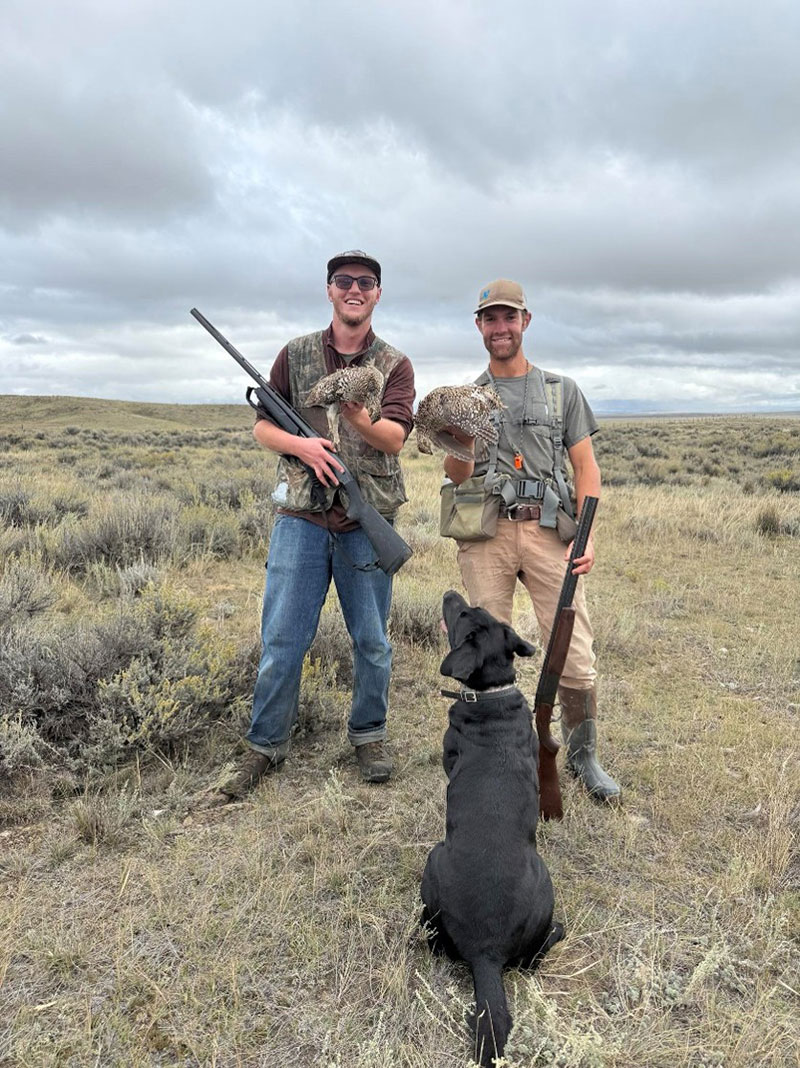
I looked down on the beautiful, mottled flecks of brown and white feathers which looked like the bird itself was sculpted via some passionate ancient avian deity, using materials sourced directly from the plains. The soil, sage and stone rolled into the feathers, flesh and bone — my first sharptailed grouse.
This is one of several experiences I've gathered during my first hunting season in Montana. Montana's grasslands offer a wealth of wing shooting opportunities all have consumed much of my free time. To tell you the truth, dear reader, upland hunting is still a relatively new venture for myself, evident by my embarrassing bird-to-shell ratio. For the longest time I was purely a whitetail and spring turkey hunter. My only exposure to wing shooting came from stories of the good ole days of pheasant hunting in Southeastern Wisconsin that my dad would tell my brother and I growing up.
Somewhere between those stories and my birth, the wild pheasants disappeared and whitetails were king. My dad set aside his shotgun and picked up a recurve and taught himself how to bow hunt — and got damn good at it.
The years press on. The countryside soon fell victim to the endless advance of suburban sprawl. With rural communities fragmented, hunting permission was a valuable commodity that was rarely handed out. The now neglected patches of remaining habitat degraded to dead ash trees and invasive species. That juxtaposition between old hunting stories and the outdoor world I grew up in left quite an impression on me, leading me to chase the world I never knew.
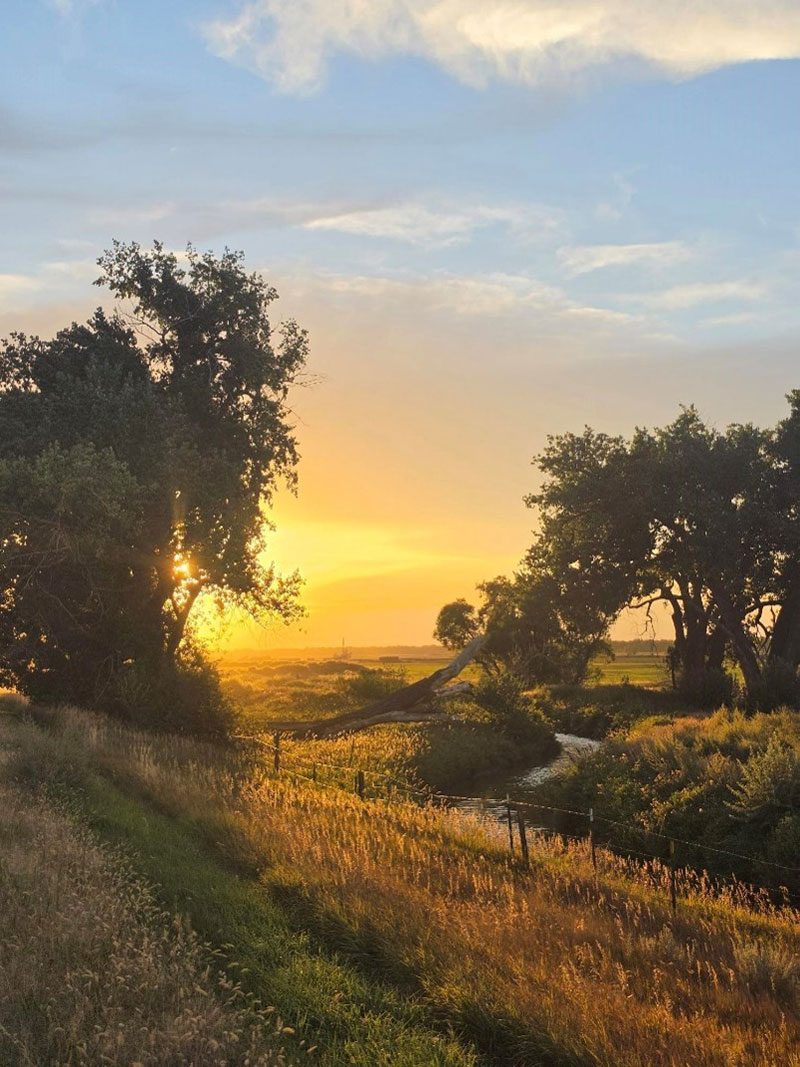
Today, the northern great plains are my home, where I work as a Pheasants Forever (PF) coordinating wildlife biologist. Practically a stone's throw from the Saskatchewan border, the vast grasslands of northeastern Montana stretch on for miles. Here public lands are plentiful, and wild game is abundant enough to keep you busy, sparse enough keep you exploring everything this land has to offer.
Our role in this part of the world is to work with conservation partners and private landowners to identify and develop rangeland improvement projects that will benefit both wildlife habitat and the agricultural producers who are the foundations of our rural community.
Our major objective is the conservation and restoration of our grassland habitat. Grassland habitats are the most threatened ecosystem in the world. Here in the United States on a yearly basis, 2.6 million acres of grasslands are lost. That is no different here in Montana.
In response to threats of land-use conversion, development, invasive grasses and woody encroachment, PF launched the Montana Grassland Initiative in 2024, whose four main pillars include keeping grassland acres intact, conserve vulnerable grasslands, restore altered acres back to grass, and expand public access for outdoor recreation.
One of the tools we use to accomplish this goal is the use of the Regional Conservations Partnership Program (RCPP) program here in Montana. Like the Conservation Reserve Programs (CRP) nationwide, PF, DU, and NRCS are working together to implement a region-specific grass seed program. Landowners interested in restoring land back to grass can work with PF or DU representatives, who will work with a landowner to create a native grass seed mix that suits their grazing needs, provide funding for grass seed, and assist with monitoring the grass seeding as it establishes.
After the first growing season, landowners can apply for the RCPP program with NRCS. If accepted into the program, NRCS will make annual payments up to three years while the grass is established and producers can't hay or graze the grass while it is establishing. Additional monetary incentives are available through Montana FWP through voluntary public access programs such as Block Management or Open Fields programs.
Below: Year one grass seeding
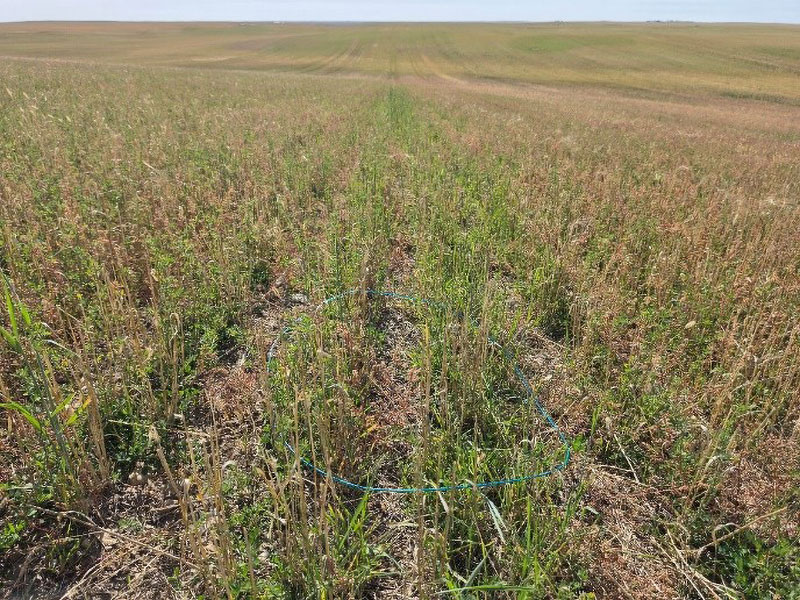
vs. Year three grass seeding
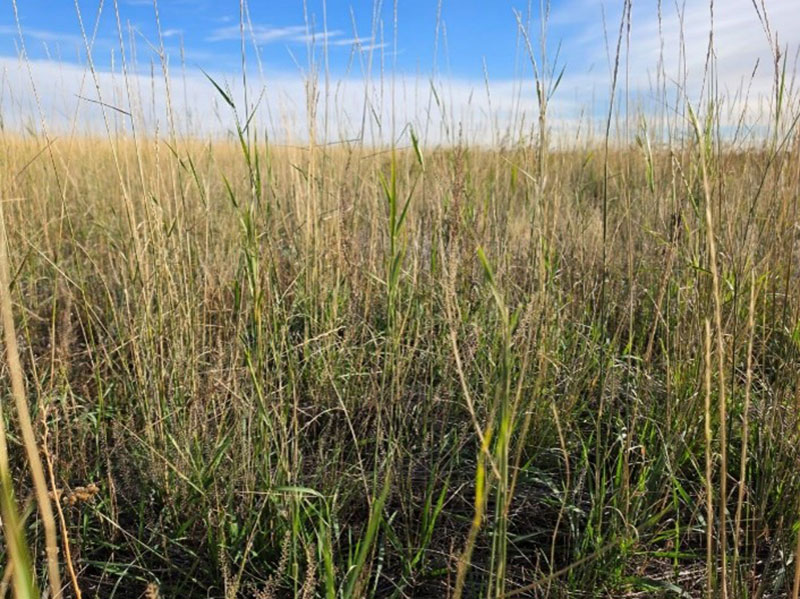
As I put down my bow and pick up my shotgun during my first hunting season here in Montana, these voluntary public access programs in coordination with native grass seedings have been a valuable resource, for a novice western bird hunter like me who craved wide open spaces but lacked the understanding that it could be attained. These spaces have provided me with incredible experiences like my first, second, and third time missing Hungarian Partridge or sneaking against a cold October wind to jump shoot greenheads off little livestock reservoirs. Is this feeling of freedom what my father felt in his youth chasing roosters? I won't know for certain, but I imagine it's damn close.
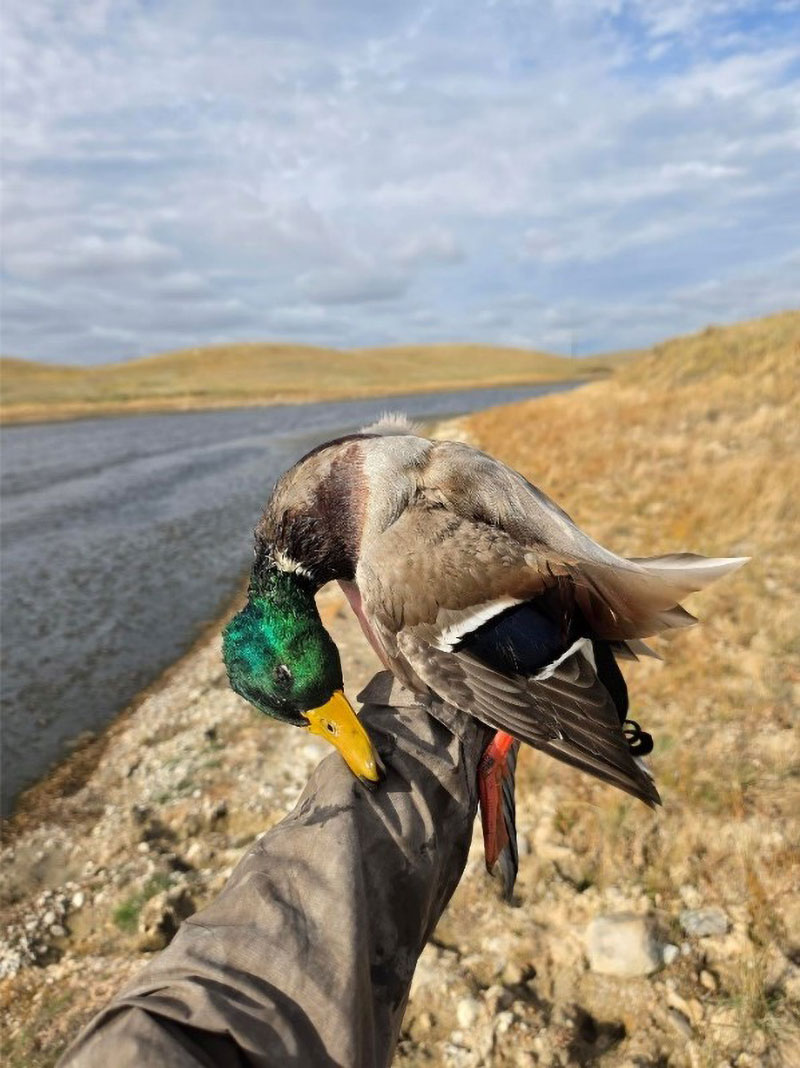
I considered the Willa Cather quote, “It take a soul to love the prairie” when I looked down at the prairie grouse still in my hands, soft feathers and warm blood trickling down to my palms. These birds are the heartbeat of the prairie.
Moments in my past where I've breathed the same air as these birds flicker to life in my mind. Watching and listening to the spring sounds of lekking sharptailed grouse and greater prairie chicken in my home state of Wisconsin. Or my first glimpse of a hen Sage Grouse leading her brood through the sagebrush maze here in northeastern Montana. Because our native grouse have such habitat specific needs to sustain their population, their presence are a direct reflection on the current health and management of our grasslands.
I consider the conservationists who have a deep knowledge of the land and love for the prairie. The local ranchers whose families have built their livelihoods on this landscape for generations. It is so important for us hunters, conservationists, and land managers who are committed to the health and continued sustainability of our grasslands to continue to work together. This culture we build together opens opportunities to conserve, protect and restore our grasslands and allow the tradition of hunting to carry on. It takes a soul to love the prairie, but it takes a community to keep its heart beating.
Your cart is empty