

08/17/2026
Promises on the Horizon
It is time. Prairie grouse seasons loom. Reports are a mixed bag. Birds will fly.
Explore
It is time. Prairie grouse seasons loom. Reports are a mixed bag. Birds will fly.
Explore
If you follow the latest news in shotguns, you have probably noticed the industry’s shift toward tactical builds and operational gear. In addition, the hunting side of the market has felt stagnant and underwhelming, dominated by budget imports or trivial updates to established platforms. Luckily, 2026 has exceeded my shotgun expectations, and marks a genuine rebound in field gun innovation.
Explore
08/17/2026
I think bird dogs are some of the coolest animals in existence. The best ones will search cover incessantly for a bird that may or may not exist, they'll power through the toughest conditions, they possess unmatched endurance, and generally they will want to do it all over again the next day.

08/17/2026
5 steps to getting ready for roosters.

07/27/2026
Early-season hunting presents one of the greatest on-the-job physiological challenges our sporting dogs face. Warm temperatures, humidity, and the intense drive that makes these dogs exceptional athletes can also place them at significant risk for heat-related injury.

07/17/2026
How my tiny pollinator patch has changed my perspective on grasslands and conservation.

Approachable, delectable, and sharable wild game dishes

Knowledge is power; see what our biologists and trusted sources have to say

Gear up with the best guns for your game!

Important and timely policy updates, how-to habitat advice, and everything in-between

Dedicated training series and compelling stories for centered around our four-legged friends

Where the lifestyle, passion, and support of all things upland game collide

Teresa Otte passed away in the fall of 2025. Her legacy lives on in the healthy soils she restored, the wildlife habitat she established, and the example she set for farmers across Nebraska and beyond. She will be remembered as a kind soul who loved the land and the animals that live there.
Explore
Pheasants Forever's 2025-2026 Farmer of the Year Award, sponsored by John Deere, is presented to Scott Hauer and the TK and Co LLLP Ranch of Winifred, Montana. The annual award recognizes the innovative use of precision ag technology and utilization of data to identify profitable solutions for agriculture and wildlife on working lands throughout America.
Explore
04/16/2026
Cook Time: 45 mins
This dip is perfect for game day, parties or any special occasion. This dish is crunchy, creamy, sweet with a little spice!

03/13/2026
Cook Time: 15-20 minutes
Flavors of autumn for every season.

09/04/2025
A simple, Mexican style recipe for a twist on your favorite upland game.
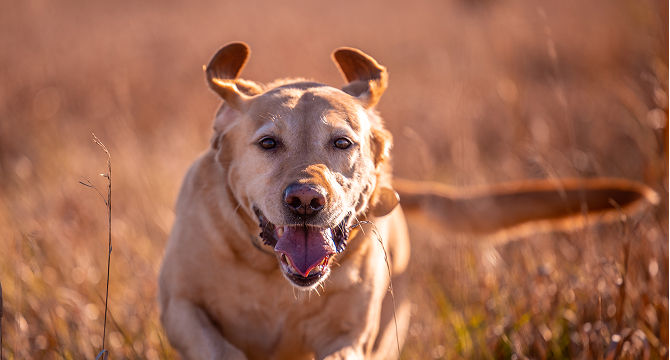
For serious upland bird hunters, the idea of hunting pheasants (or any other gamebird for that matter) without a bird dog is a path to frustration, futility and no fun.
Learn More08/21/2026
Appointment to help advance national conservation efforts, philanthropic growth
08/19/2026
Legislation would restore up to 20 million acres of grazing land on marginal cropland
08/04/2026
Three exclusive, co-branded apparel drops are planned across the partnership’s first year
07/31/2026
Pheasants Forever and Quail Forever support projects across several states










© 1982-2026, Pheasants Forever Inc. All rights reserved. Pheasants Forever is a 501(c)(3) charitable organization. Your donation is tax deductible under the fullest extent of the law.